How a Small Steel Building Company Can Compete with Larger Manufacturers
Some time ago, two people approached us after leaving a large steel building manufacturer.
They were not newcomers to the industry. For several years, they had been designing buildings, working with new customers and preparing quotations. They understood the business inside out. When they decided to start their own company, they already knew how to design a building, price it and deliver it.
What they did not have was the infrastructure of a larger organisation.
There was no marketing department generating enquiries. No sales team visiting prospects. No technical office preparing drawings and estimates. No internal software helping them manage quotations and projects.
They had their experience, their expertise and one very simple question:
How can a two-person company present itself as professionally as businesses employing dozens of people?
We see similar challenges among manufacturers of steel buildings, roofing materials, canopies and other construction products. Some have just launched a new business. Others have invested in new production equipment and need more projects to keep it busy. Some already have enough enquiries but realise that every stage of growth seems to require another hire.
That is often the point where the difference between growth and overwork becomes apparent.
The Real Bottleneck Is Rarely Production
Many smaller manufacturers reach a limit long before production becomes a problem.
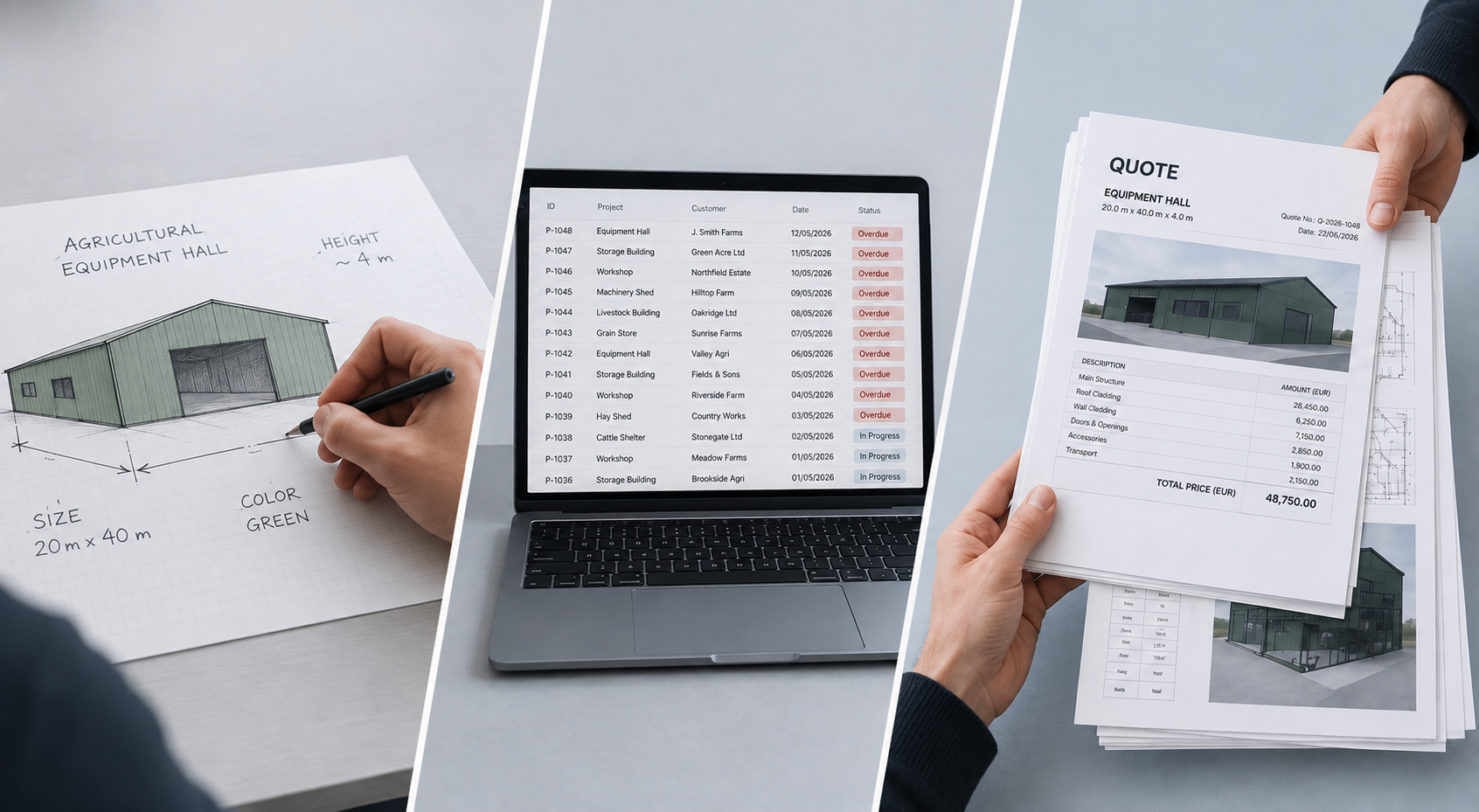
A customer requests a 15 x 30 metre building. Two days later they ask to compare it with an 16 x 30 metre version. Then they add another door. Then they change the cladding colour, just for curiosity. Then they ask for one more alternative so they can compare costs.
Anyone who has sold steel buildings knows this is completely normal. In fact, it is how most projects evolve.
The difficulty is that every change creates additional work.
The design needs updating:
- Material quantities need recalculating.
- Technical drawings need checking.
- A revised quotation needs preparing.
In a larger company, this workload is shared across several people. In a two-person business, the same individuals are still responsible for everything while also finding new customers, managing suppliers and trying to grow the company.
After a few months, many owners find themselves in a strange position. They have enquiries, they have expertise, they have production capacity.
Yet they have become the bottleneck in their own business.
Why Small Manufacturers Start Looking for a Configurator
This is where an interesting misunderstanding often appears.
People say they are looking for a configurator.
In reality, they are usually looking for something else.
👉 They want to achieve the output of a five-person team with only two people.
👉 They want to generate enquiries even when they are busy elsewhere.
👉 They want visitors to their website to explore building options without requiring a long exchange of emails.
👉 They want a first proposal to be created in minutes rather than hours.
👉 They want to respond to changes quickly instead of starting from scratch every time.
And they want their company to appear larger and more capable than its headcount would suggest.
That is why an increasing number of manufacturers invest in a configurator at a relatively early stage of their business. Not because they have money to spare, but because they understand the value of their own time.
When two people spend several hours each day repeating the same tasks, automation becomes one of the fastest ways to create capacity.
Turning Experience into Configuration Rules
At the start of a project, most manufacturers describe their product range as relatively straightforward.
They have a few building types, several standard dimensions, a handful of cladding options and some additional accessories.
Then we begin translating the product into configuration rules.
That is usually when things become more interesting.
A certain structural solution is only suitable above a particular span. Another component is required once the building reaches a specific volume. Some combinations are technically possible but commercially undesirable. Others are restricted by manufacturing or installation requirements.
This is not unusual.
Many companies discover that a large proportion of their expertise exists only in the heads of the people who have been designing and selling the product for years.
That is one reason why creating a configurator often delivers value beyond the software itself. It forces a business to define its product logic, document its rules and make its know-how visible.
What the Outcome Looks Like
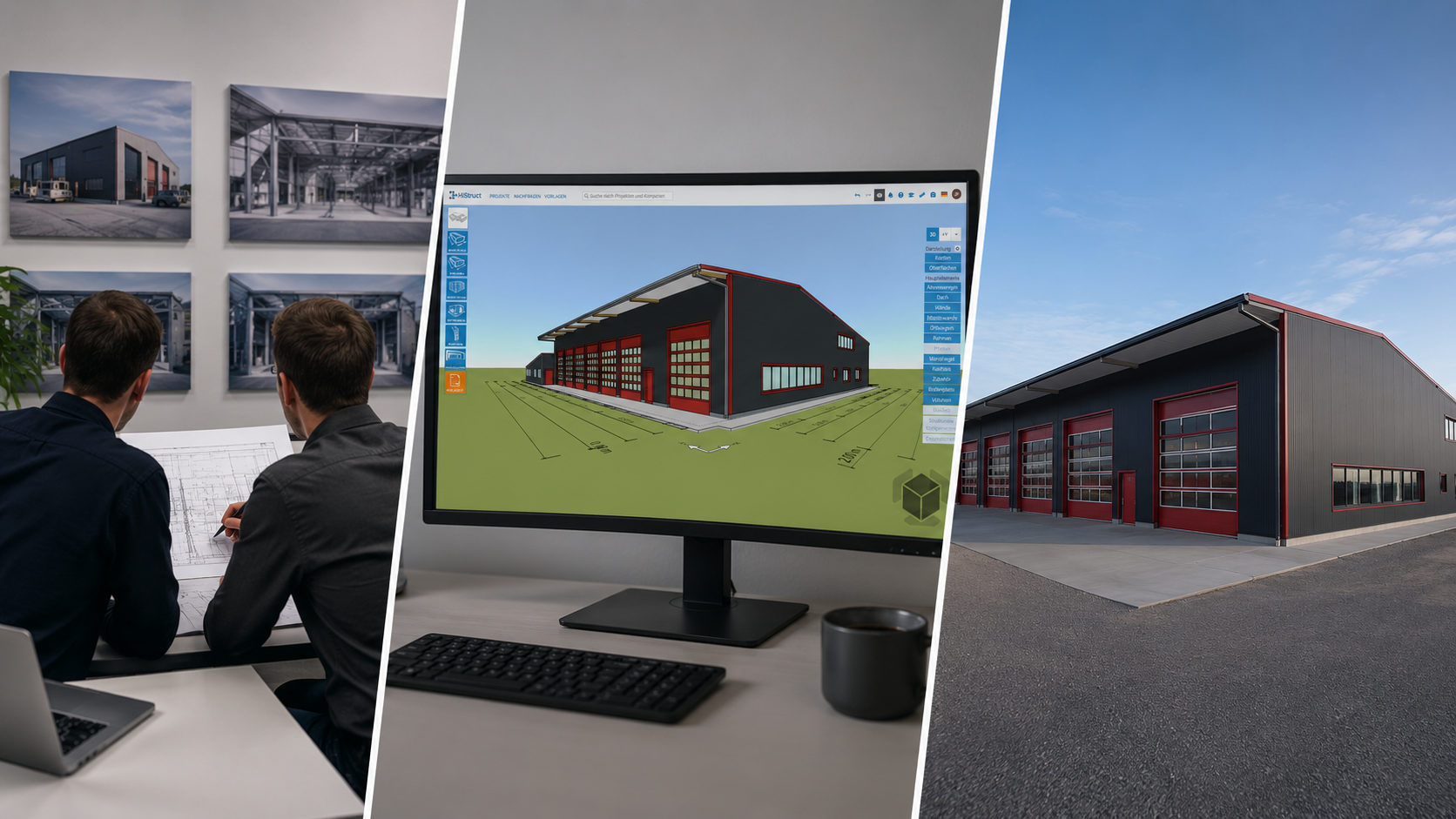
Many people imagine a configurator as little more than a 3D model on a website.
The more interesting part is what happens around it.
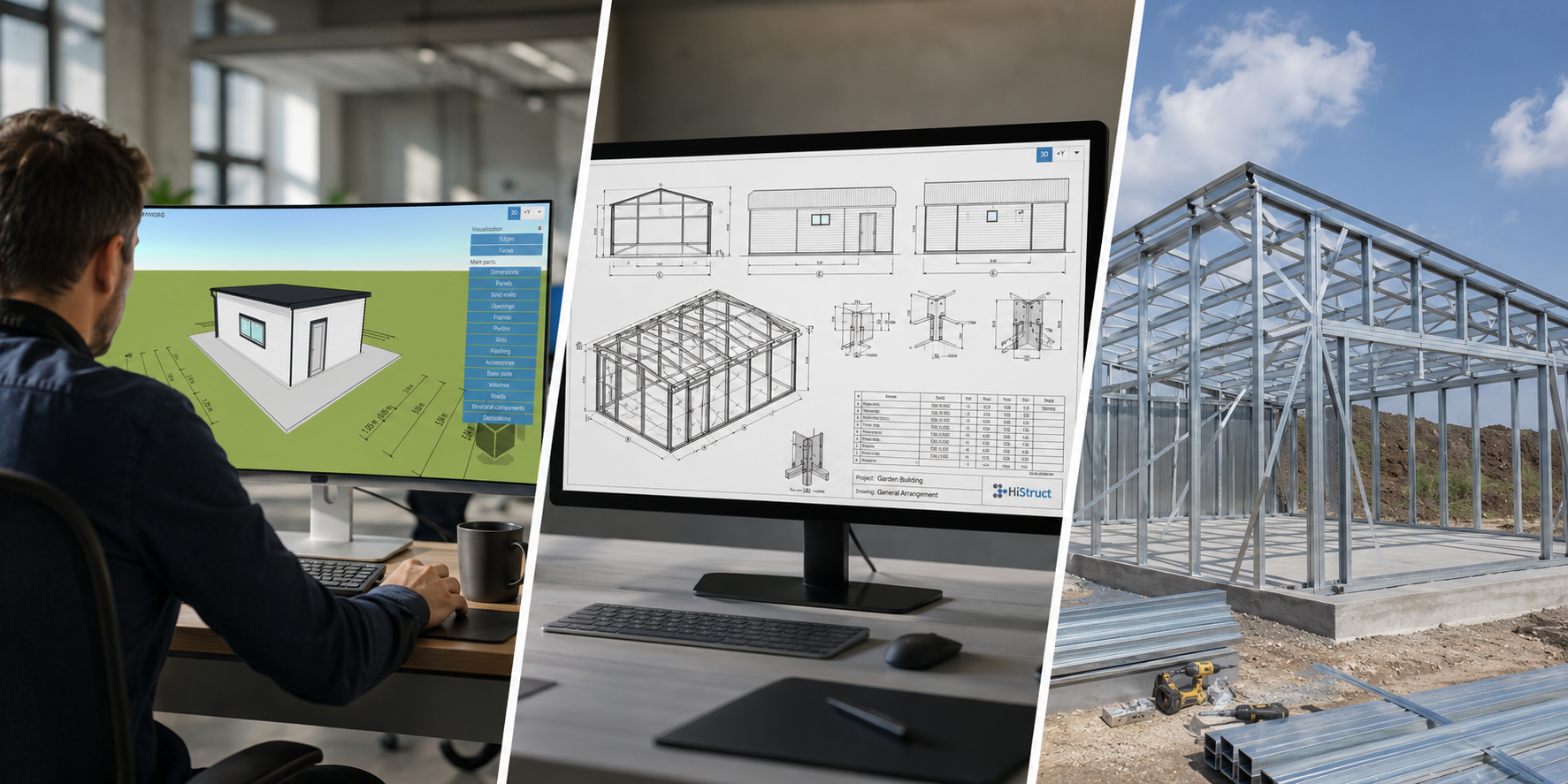
A customer visits the website and creates an initial building concept in a few minutes. They choose the main parameters, explore different options and submit an enquiry.
The manufacturer has not spent time producing the first design, manually entering dimensions into spreadsheets or preparing basic documentation.
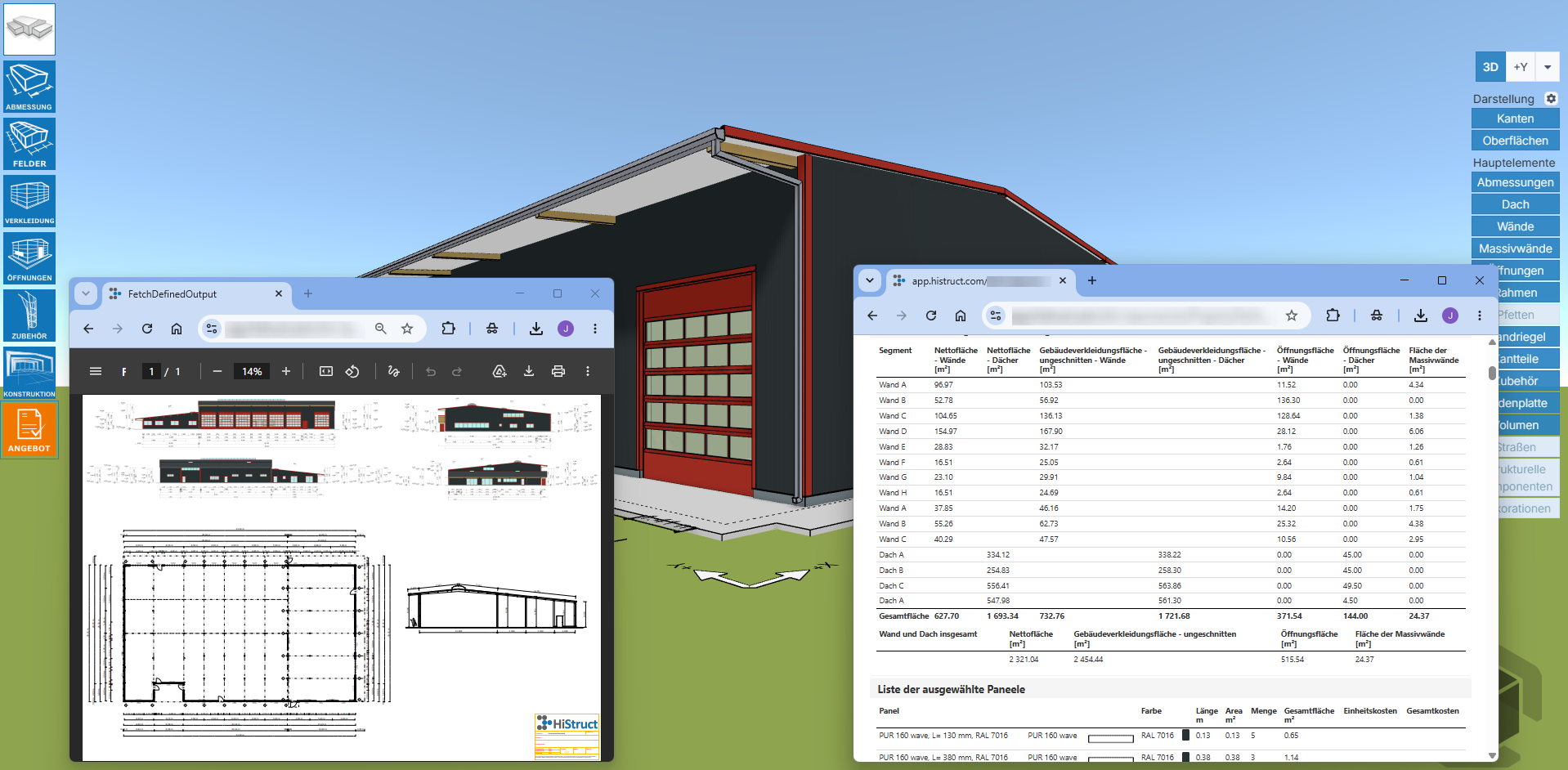
The first visitors often arrive on the day the configurator goes live. The first enquiries frequently follow within days. Of course, this depends on the market, the product and the traffic reaching the website. The important point is that the business now has a tool working continuously in the background.
Customers can explore options in the evening, at weekends or during holidays. Sales staff no longer need to be involved in every initial conversation. The company can focus its attention on prospects with a genuine project and a genuine intention to buy.
Building a Bigger Business Without a Bigger Team
When we speak to companies that adopted this approach several years ago, very few describe their configurator as software.
They describe it as a growth tool.
It helped them generate enquiries without building a sales department.
It helped them prepare quotations without employing a team of estimators.
It helped them manage more opportunities without immediately expanding the office.
Perhaps that is the real reason smaller manufacturers keep looking for configurators.
They are not searching for software.
They are looking for a way to build a business that can compete with much larger players.